


The Next Generation Grid

Matt Gabor, Vice President of Engineering at Summit Ridge Energy and Interconnection Strategy Champion
Grid-forming inverters paired with battery storage and solar are among the fastest and cheapest ways to more powerful and reliable electric grid. Why grid forming inverters?
Unlike grid following, grid-forming inverters provide both the power to meet our growing needs, as well as the inertia needed to keep stability. Why energy storage? With the energy storage tax credit available until 2032, along with innovative states all over the country incentivizing storage development, these factors enable the financing of these assets at scale.
Preparing for Large Scale Deployment
Grid forming inverters seem like a logical solution, so why has the industry not accelerated their deployment?
The main reason is lineworker safety on the distribution system and complying with anti-islanding requirements defined by IEEE 1547. When a grid goes down, it’s up to the distribution system operator to get those customers back online as quickly as possible. Utilities prefer gridfollowing inverters when grid power goes down, the inverters automatically shut down as well, ensuring that lineworkers can immediately get to work on a downed feeder with no risk.
“As inverter-based resource penetration increases we need a balance of grid formers and followers to ensure a resilient power system.”
In a new modernized grid, we must allow for grid-forming inverters to island when beneficial to the grid but shutdown when maintenance is required. This will require a major overhaul of our Distributed Energy Resource Management Systems (DERMS) to manage bi-directional energy flow and communicate the proper controls to the different inverters throughout the system.
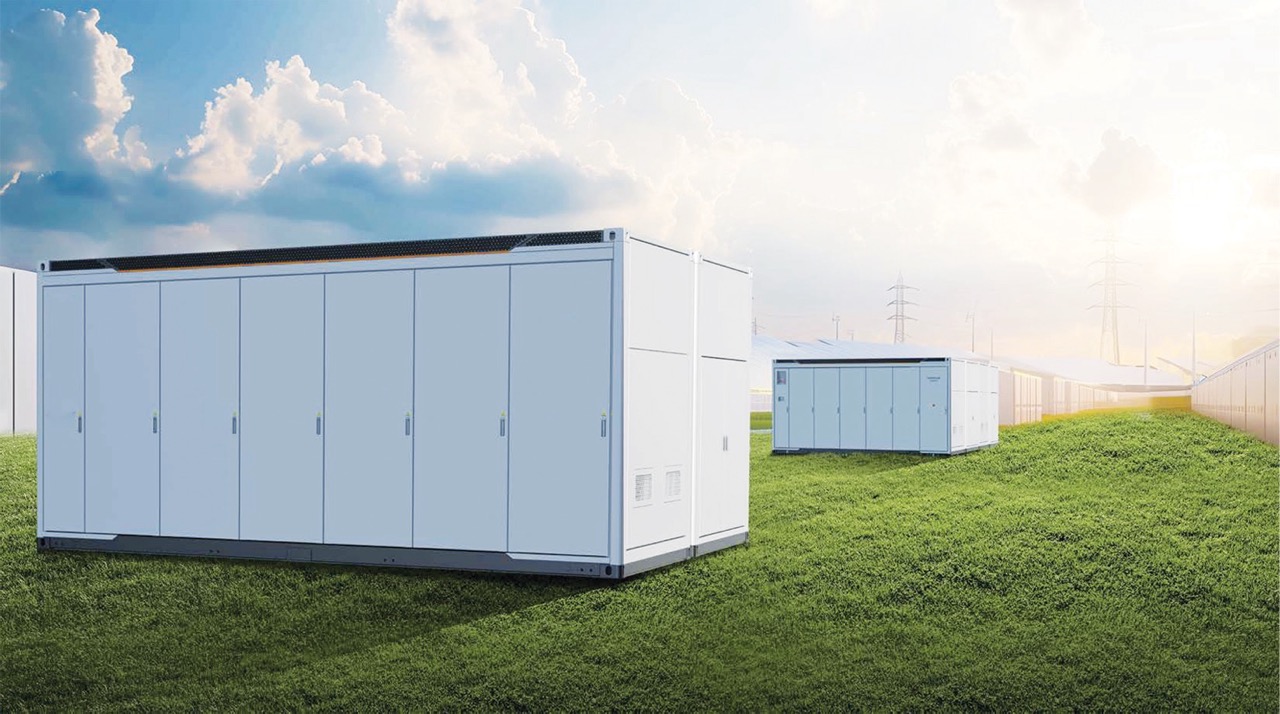
While we wait for the utilities, policy and the infrastructure to support broader adoption of gridforming inverters, there are steps that developers can take today to be better prepared. Projects can be designed with multimode inverters, capable of operating in both grid following and grid forming modes. Two examples are the SMA Sunny Central Storage UP-S-US, or EPC Power M System which offer multimode capability. Designing your solar + storage projects with these inverters will position them future, large scale deployment across evolving grid networks.
Read the Utilities Business Review article HERE.