


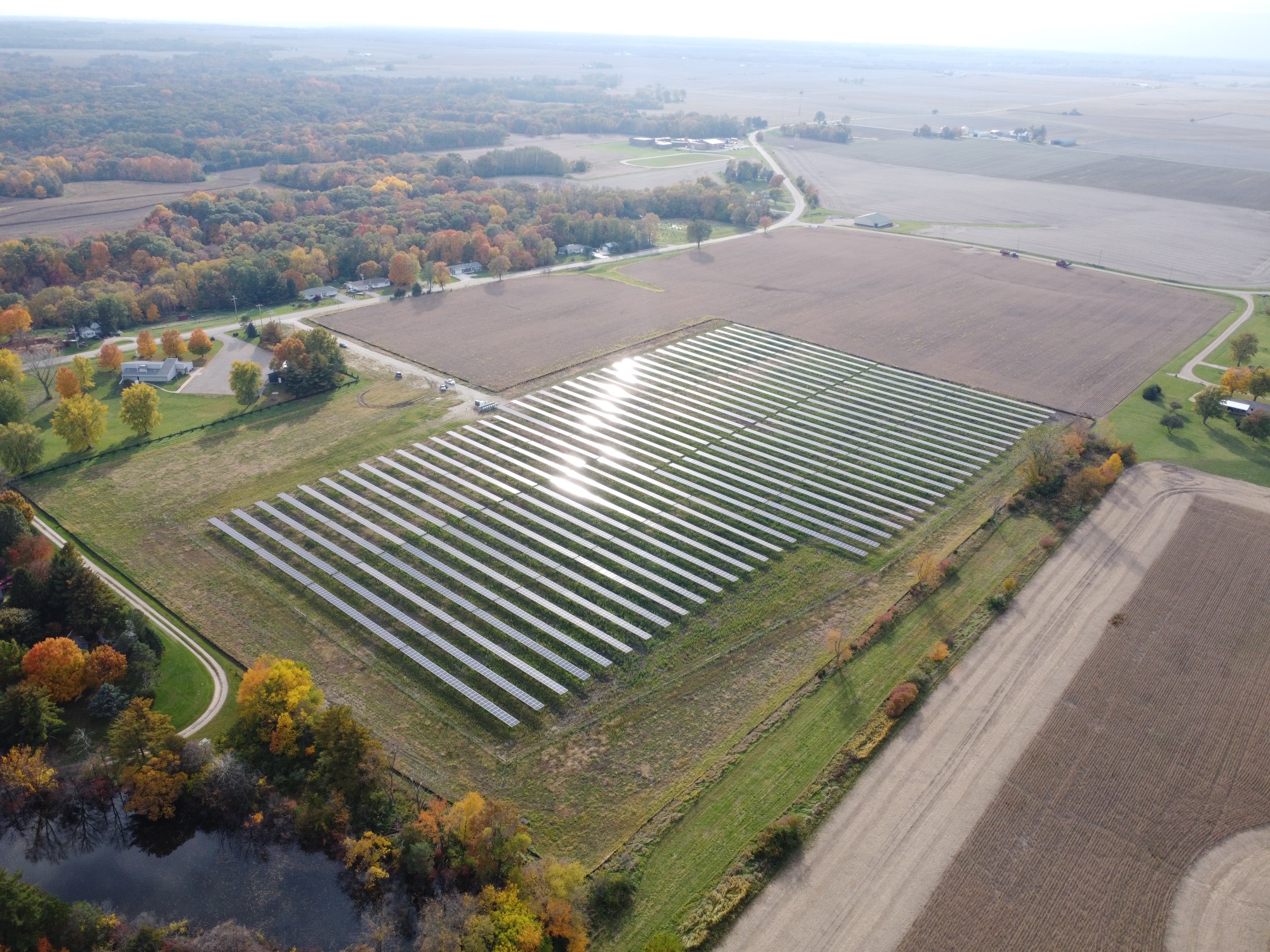

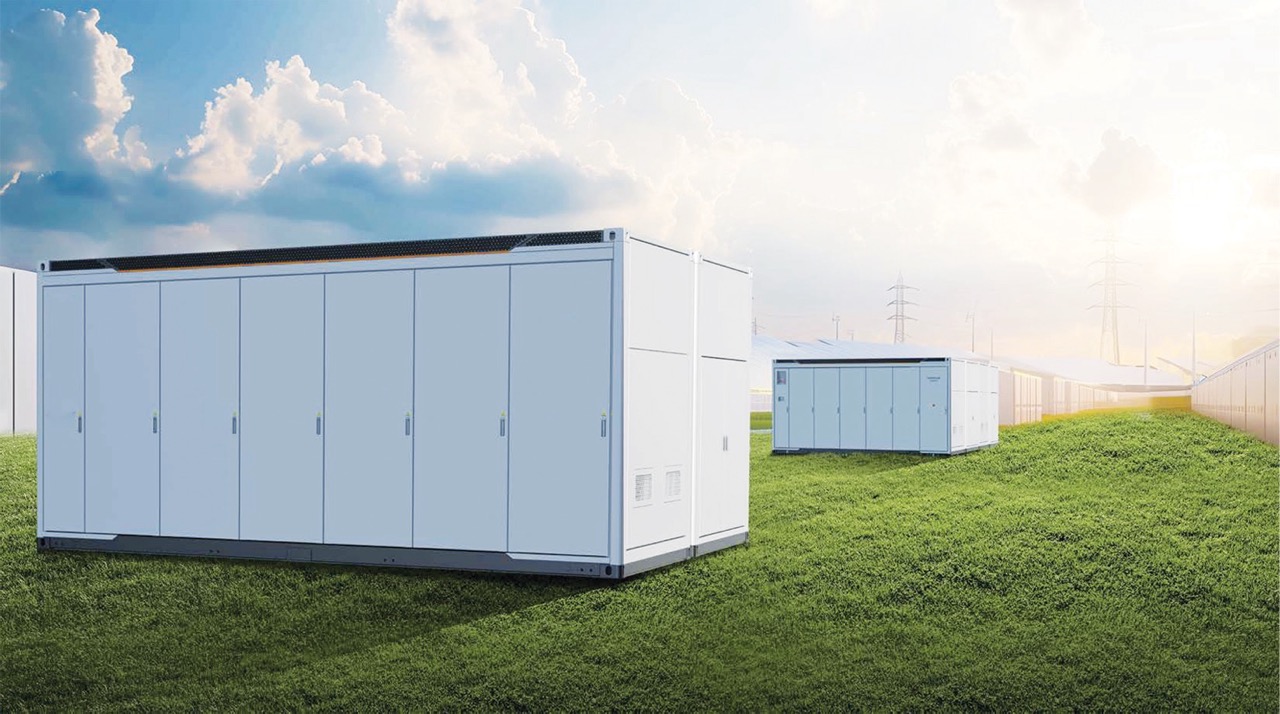
Operations excellence at Summit Ridge Energy means turning a complex, multi-state solar portfolio into reliable, predictable energy production that communities and customers can count on. We sat down with Charlyn Castillo, Project Engineer at Summit Ridge Energy, to explore how she tracks performance, prevents failures, and translates day-to-day operations into long-term energy impact.

Charlyn Castillo is a Project Engineer at Summit Ridge Energy, where she manages multi-state solar portfolios and ensures
operational excellence from NTP through commissioning and beyond.
Reliability at Portfolio Scale
As Summit Ridge’s portfolio has grown across the East Coast and Midwest, the role of Operations has shifted from managing individual projects to orchestrating a connected fleet of solar assets.
Charlyn currently manages a portfolio of 8 projects, both ground- and roof-mounts totaling a contracted $30 million. Our Arlington, VA team manages projects across Maine, Maryland, New York, Virginia, and D.C., with Delaware coming online soon, while our Chicago team oversees several contracts in Illinois, all supported by a network of 23 Engineering, Procurement, and Construction (EPC) partners. Keeping these many moving pieces aligned requires disciplined tracking, transparent communication, and a relentless focus on performance from notice-to-proceed (NTP) through commissioning and beyond.
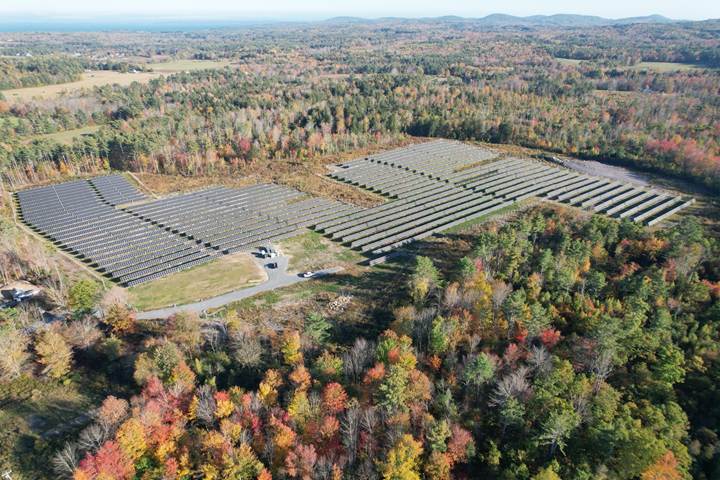
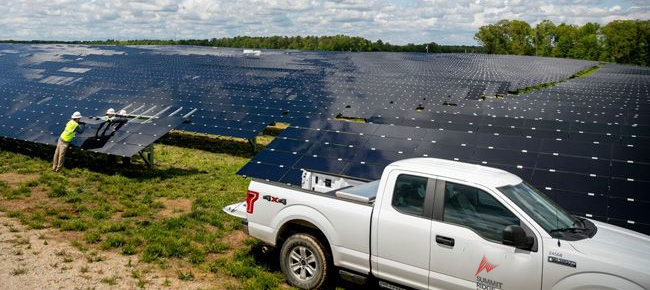
Belfast PV, a 3.2 MW solar project in Belfast, Maine, is one of the 8 projects under Charlyn’s oversight.
The irregular perimeter shape of the project is designed to provide protection for neighboring wetlands.
From NTP to Commissioning
Operational ownership formally transfers at NTP, as responsibility for execution shifts from the Pre-Construction team to the Operations team. At that point, contractual dates in the EPC agreement (often driven by tax deadlines and financial closings) become the backbone of project tracking.
Charlyn’s team collaborates with each EPC to translate those high-level milestones into detailed schedules, highlighting the Critical Path activities that must stay on track for successful delivery. This early structure sets expectations, clarifies accountability, and creates a common language for performance across teams and geographies.
How is performance tracked and analyzed across multiple solar sites?
To ensure reliability across active projects, Charlyn uses a layered approach to performance tracking that evolves as each site progresses through construction to commissioning.
“During construction, we track the Critical Path activities against the contractual milestones to keep work sequences aligned,” Charlyn explains. “We work closely with Construction Managers to act as our eyes in the field, validating progress and reassuring quality control. Regular meetings with EPC Project Managers help us connect what’s happening on site with overall risks, scheduling, and resourcing.”
As projects transition into commissioning, the focus shifts from build progress to production performance.
“We monitor production using platforms like PowerTrack for site-level reporting, as well as portals provided by inverter manufacturers like SMA and SolarEdge, which give us detailed real-time data on how the system is performing,” she notes.
Before a site goes live, it goes through three stages of quality control testing. The first is cold-commissioning, where the system is fully offline and the team inspects that all equipment has been installed correctly. Next is hot-commissioning, which is after receiving Permission to Operate from the utility, and all electrical equipment is tested during initial startup.
“The final step is capacity testing. We need 72 hours of operational data collected under ideally sunny conditions – days with strong, consistent sunlight – so we can compare expected output against actual production and confirm the system is performing as designed.”
This combination of schedule tracking, field validation, and data-driven performance analysis allows Charlyn to manage a diverse portfolio with a consistent standard of quality and reliability.
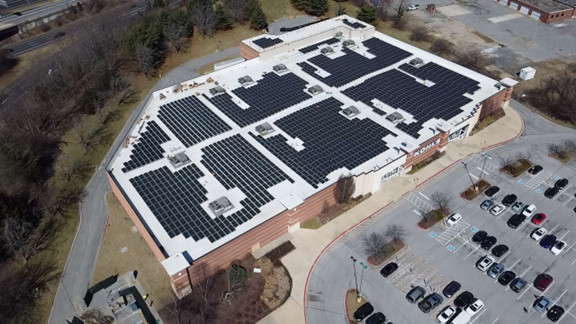
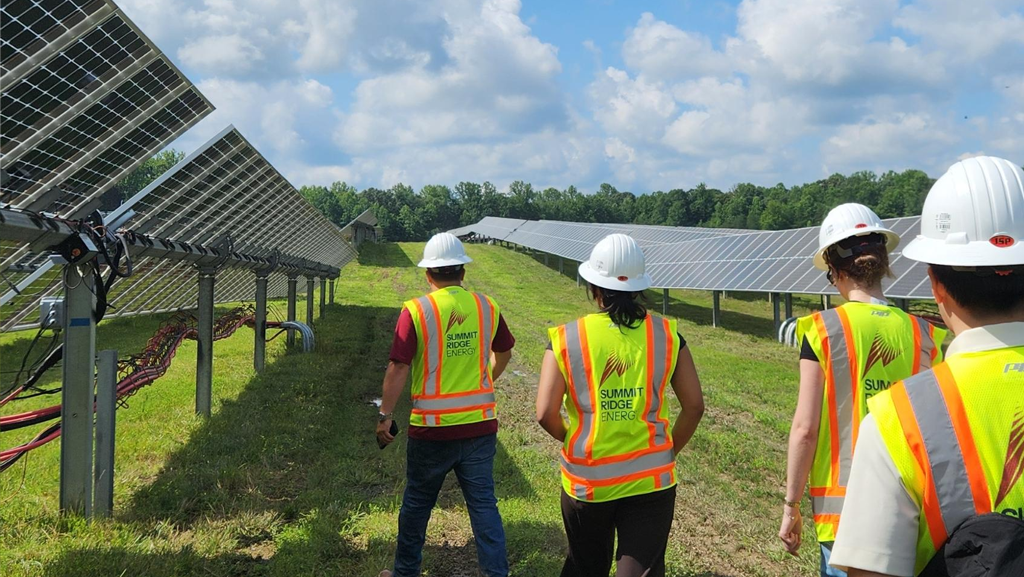
Long Gate, a 1.7MW roof mount solar project in Ellicott City, MD.
One of four solar rooftops spanning this commercial center.
What proactive measures prevent operational failures?
Operational failures are far more expensive than operational discipline, so Charlyn’s approach is built around proactive prevention rather than reactive troubleshooting.
“We coordinate closely with several internal departments and external stakeholders to align project delivery, sequencing, and scheduling before issues materialize in the field,” Charlyn says. “We issue and approve several visual, cold- and hot-commissioning tests to ensure build compliance.”
The team applies multiple layers of technical review – Internal Operations, Owner’s Engineer (OE), and Independent Engineer (IE) – before approving specifications, tests, or inspections.
“Attention to detail is critical,” she emphasizes. “We work to maintain integrity of the detailed drawings by documenting all material specifications for approval before they ever reach the site. By embedding checks and validation points throughout the project lifecycle, we reduce the likelihood of late-stage surprises and build systems that are ready to perform from day one. With each project challenge, we reflect and collaborate with the rest of the team on “lessons learned” to strengthen our knowledge base.”
How do operations contribute to meeting community and corporate energy goals?
Every operational decision ultimately ties back to a larger purpose: delivering cost-efficient, reliable energy that meets both community expectations and corporate commitments.
“We maintain critical milestone dates, especially permission to operate (PTO), so net metering and energy delivery can commence on schedule,” Charlyn explains. “We maintain communication with landowners and property managers on mobilization and demobilization timelines in line with site agreements.”
“What I’m most proud of is efficiently delivering fully operational sites that have undergone thorough due diligence, inspections, and testing,” she adds. “Our portfolio isn’t just a collection of projects; it’s an integrated platform helping communities access locally generated power while enabling our corporate energy goals.”
Operations as a Strategic Lever
Operational excellence is more than getting projects across the finish line; it’s about building a resilient, data-informed, and collaborative system that consistently delivers reliable solar energy on scale. By rigorous tracking performance, proactively preventing failures, and aligning her work with community and corporate energy goals, Charlyn and the teams in Arlington and Chicago are turning a complex portfolio into a dependable, resilient energy backbone. As Summit Ridge’s footprint grows, this operational discipline becomes a strategic lever, one that ensures every new project strengthens the reliability and impact of the entire portfolio.