

A 20-acre solar project in rural Illinois demonstrates how community solar can generate substantial new property tax revenue — no new services required.
By Andrew Damitio, Senior Development Analyst
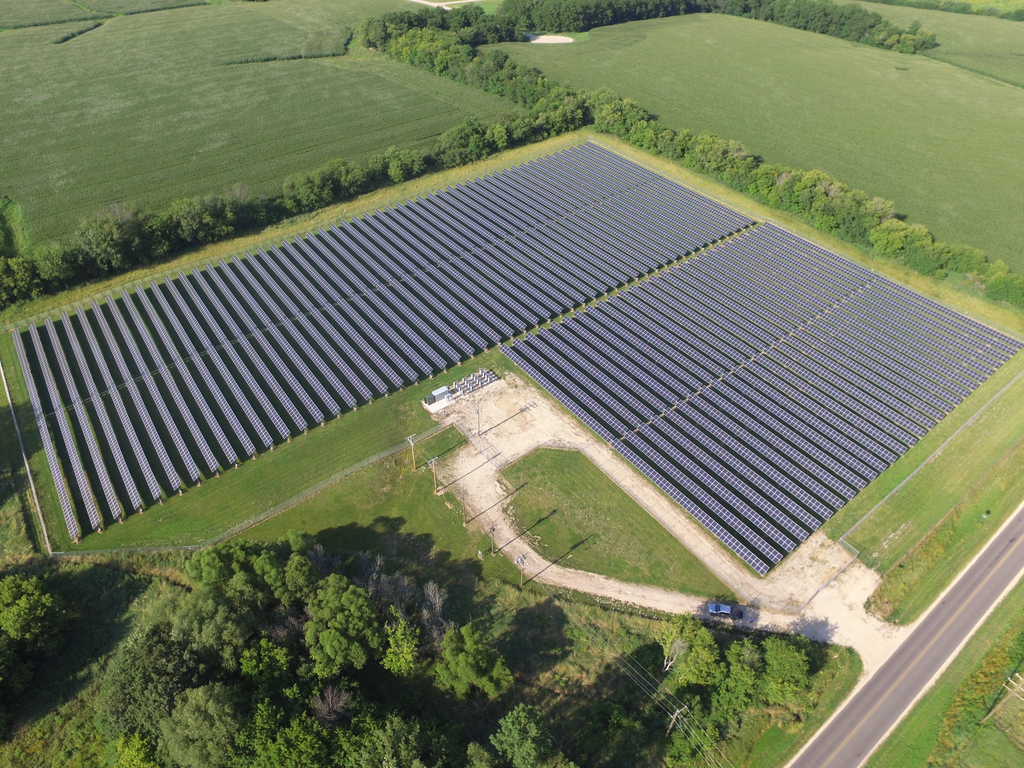
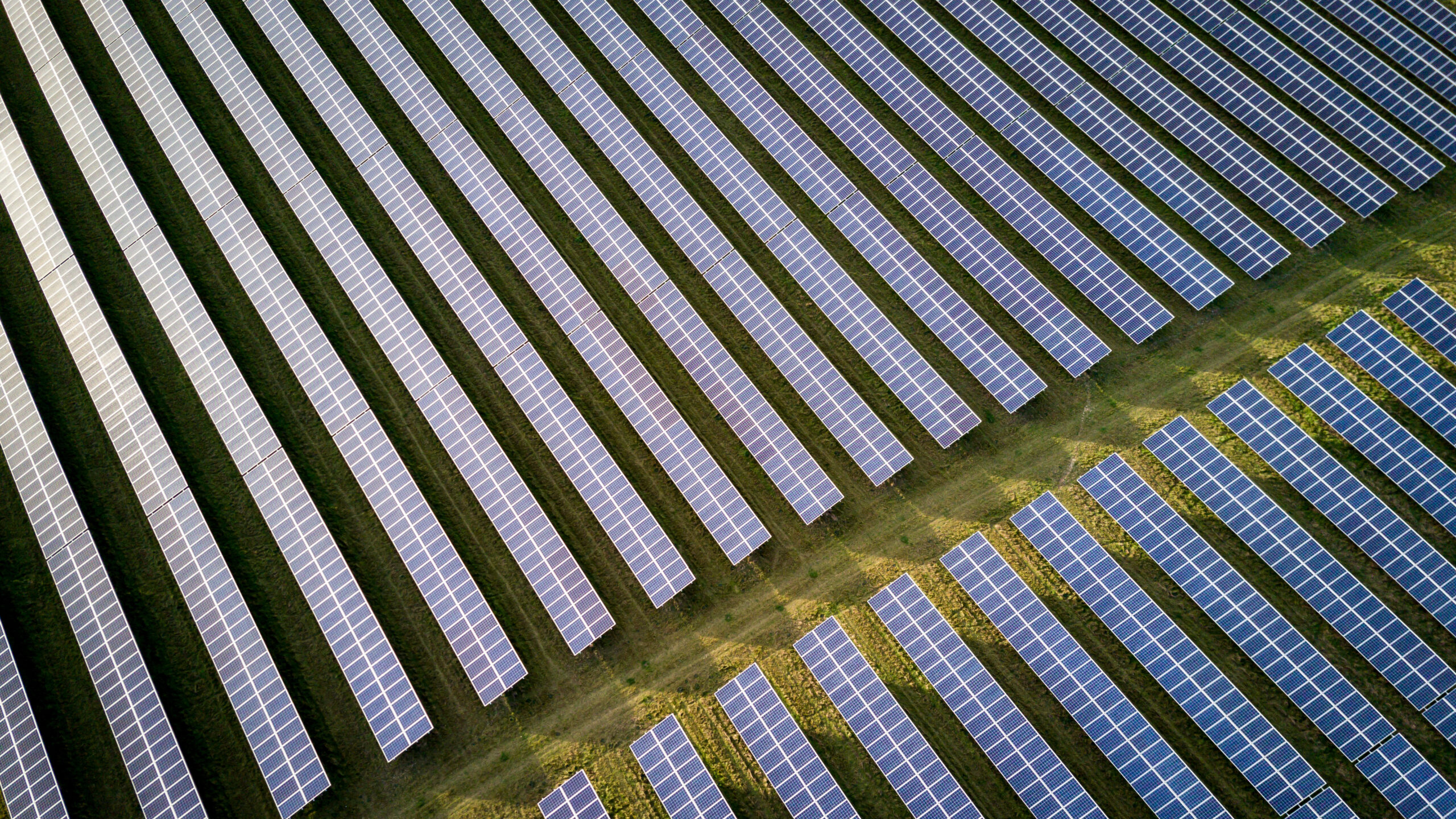
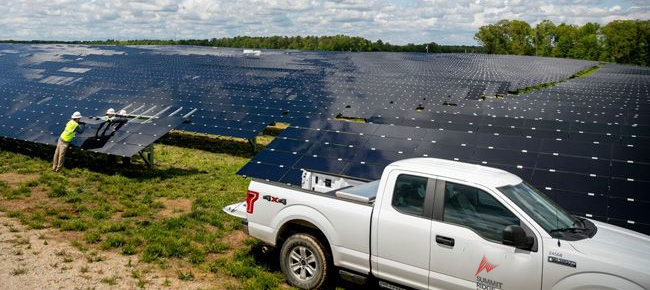
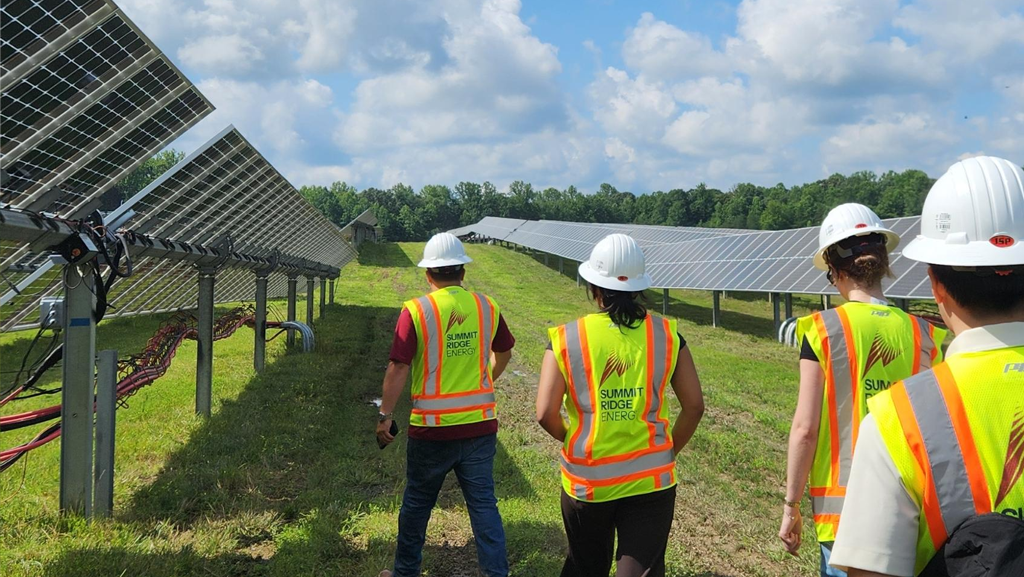
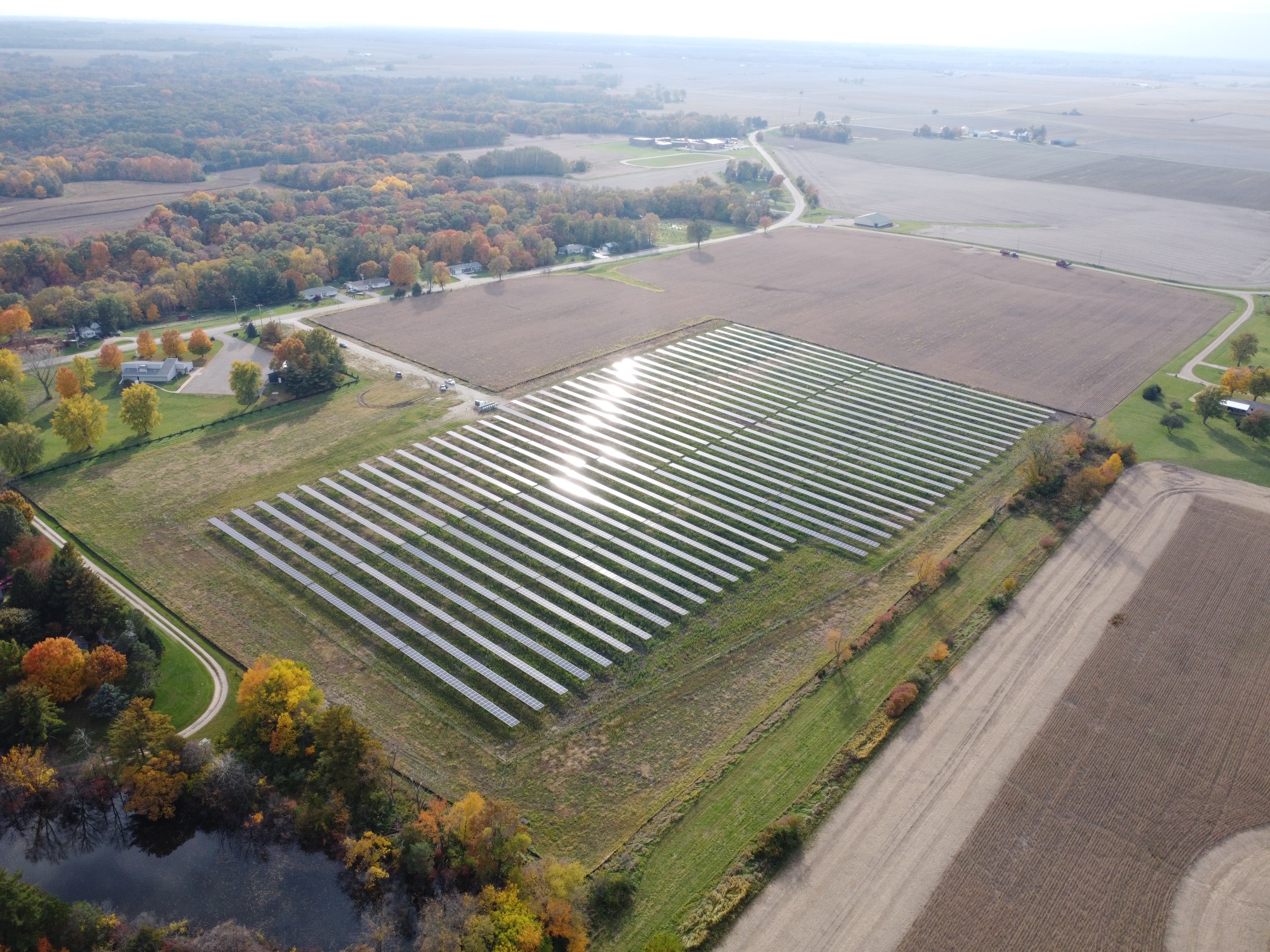
A Summit Ridge Energy 2.6 MW solar site in Lena, IL
Along Galena Road in rural Stephenson County, Illinois, there’s a 20-acre parcel of working farmland. With no permanent improvements and a crop of corn, it pays under $950 in property taxes annually to various local taxing districts, mirroring the taxes paid per acre on most agricultural land in the county.
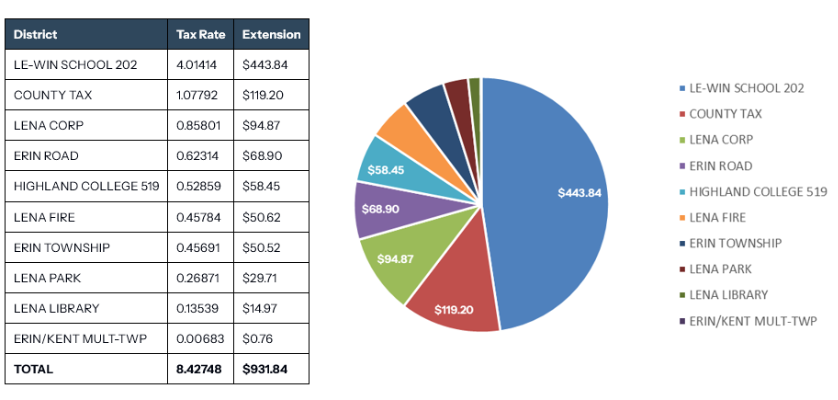
Source: Stephenson County Property Tax Inquiry (09-12-03-100-002 : 2024)
How One Solar Project Multiplies Local Tax Revenue
A little more than 200 yards to the north, Summit Ridge Energy constructed a 2.6 MW community solar facility on 20 acres of farmland. Due to the considerable value of the installed energy-producing equipment and infrastructure, the parcel holds a much higher property assessment. It pays over $16,200 in taxes annually, an 18x increase compared with the nearby parcel. Summit Ridge Energy will continue to pay those taxes for the expected 30-year lifespan of the solar project.
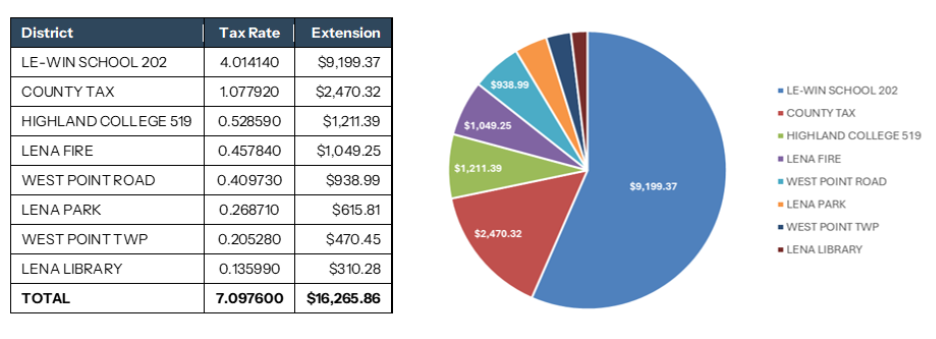
Source: Stephenson County Property Tax Inquiry (11-00-33-800-002 : 2024)
This dynamic is not unique to Stephenson County. Across the country, solar projects often transform agricultural parcels into high-value American energy-producing facilities that contribute significantly more revenue for local governments.
Consider what just one small community solar project’s annual tax revenue can do:
• $9,200 a year to a school district can pay for textbooks, new computers, or fully stock an art class or science lab.
• $1,200 a year to the local community college can cover a semester of tuition for a part-time student.
• $1,000 a year to the local fire department can fund most of an EMT training course for a volunteer firefighter or replenish CPR training supplies.
• $900 a year to the local roads district can pay for the repair of dozens of potholes.
These are not abstract benefits — they directly support the day-to-day services that keep communities functioning and attractive to residents and businesses alike.
Breaking the Property Tax ‘Doom Loop’
The reliance of local governments on property taxes to fund services can result in a “doom loop,” where job and population losses reduce property values and shrink the tax base. As revenues decline, public services erode, which can further accelerate population loss.
Community solar provides rural communities with an opportunity to strengthen their tax base by generating additional property tax revenue while placing virtually no new demands on public services. Once installed, these projects do not increase traffic on local roads, require new water or sewer infrastructure, or place added pressure on parks, police, or school districts.
In addition, locally sited energy projects can help address growing concerns about electricity supply constraints, particularly as energy demand increases across the Midwest.
In the case of Stephenson County, its population declined by 6.5% from 2010 to 2020, and it risks further population and tax base declines without improving its value proposition to prospective residents. In response, the county added a source of long-term tax revenue with minimal day-to-day impact, with no emissions, no odors, and no increase in traffic.
Why Solar Fits Rural Communities Like Stephenson County
Community solar offers additional economic benefits to the residents of towns who subscribe to the projects. Rather than sending monthly electricity bill payments entirely to a distant utility, residents can direct those same dollars toward purchasing a “share” of a local community solar installation. This effectively reinvests their electricity spending back into their own community’s tax base.
Few forms of economic development lack significant trade-offs. Community solar is one of them. A jurisdiction that approves a solar facility on farmland can increase the parcel’s property tax contribution many times over. Approving a handful of community solar facilities can generate tens or even hundreds of thousands of dollars annually in new tax revenue — a game-changer for schools, roads, and emergency services.
At a time when communities are balancing rising costs, growing energy demand, and the need to attract new residents, these benefits can help sustain the long-term vitality of both rural communities and the people who depend on them.
What community doesn’t need additional tax revenue?

Andrew Damitio is a Senior Development Analyst at Summit Ridge Energy